Communications in the Tatham Area 1832-1950 | |||||||||||||||||||||||||||||||||||||||||||||||||||||||||||||||||||||||||||||||||||||||||||||||||||||||||||||||||||||||||||||||||||||||||||||||||||||||||||||||||||||||||||||||||||||||||||||||||||||||||||||||||||||||||||||
|
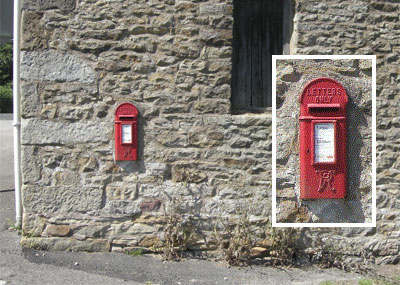
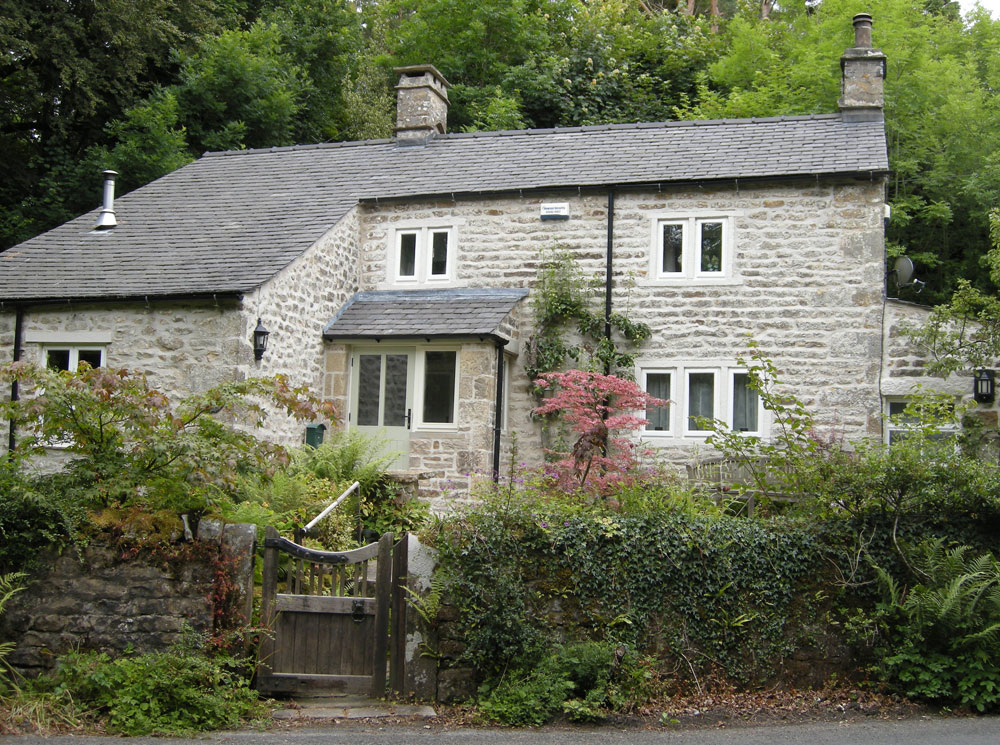
Post Offices The author would be very pleased to receive additional information or stories concerning postal or telephone services up to 1965, and can be contacted via this link. POST OFFICESHigh Bentham post office opened in 1832, though not in its current premises - it seems to have had at least three different locations. From 1901 it received some or all of its mail from a Travelling Post Office (the train) without the mail having to pass through Head Office. Hornby post office also opened in 1832, Wray in 1839, Low Bentham in 1865, and Wennington some time between 1871 & 1881.1 By 1913 Bentham post office offered “M” and “T” facilities (M - able to transact Money Orders, Savings Bank, Annuity & Insurance; T - Telegraph Office, open for the acceptance and delivery of telegrams). Telegrams were also being delivered to the railway stations at Hornby and Wennington.1 By 1920 Bentham also had the facility for telephone messages to be written down and treated as express or ordinary letters.1 In 1927 the Head of (Low) Tatham School received a telegram cancelling the visit of the Religious Inspectors. (Extra charges were made for the delivery of telegrams over 3 miles from the office).2 The first Lowgill letter box is shown outside Ivy Cottage on both the OS 25" sheet published in 1913 and the 6" sheet revised in 1910 but published in 1919. It was situated halfway along the roadside wall of Ivy Cottage garden. It was quite clear where it had been, the cavity having been poorly filled in with small stones, but unfortunately, this section of the wall has since been rebuilt.11 Lowgill post office had opened by January 1915, but we do not know for certain where this was. The Lowgill letter box would then have been on or near the post office, and similar to the one shown below, which survives at Green Smithy.
In an “unofficial” annual post office record, Lowgill post office was not listed in 1922, was listed in 1927, and was unlisted again in 1936.1 The omissions may reflect the way the data was compiled, rather than indicating that the post office was closed at any time. When it opened, Lowgill post office had no Sunday delivery of letters, and no M or T facilities. It did sell National Savings certificates, wireless receiving licences (10/-), dog licences (7/6d) and game licences (£2 seasonal or £3 annual), would pay Postal Orders, and dealt with Pensions and Allowances. Most smaller post offices opened 9.00am to 7.00pm, not Sundays or Public Holidays, with early closing one day a week. By 1937 the post office was at Glen Cottage3 and this is the year it became a Telephone Call Office.1
It probably moved into the village around 1944, the same time as the telephone kiosk was moved (see below), and it closed some time between 1955 & 1957.1
|
||||||||||||||||||||||||||||||||||||||||||||||||||||||||||||||||||||||||||||||||||||||||||||||||||||||||||||||||||||||||||||||||||||||||||||||||||||||||||||||||||||||||||||||||||||||||||||||||||||||||||||||||||||||||||||
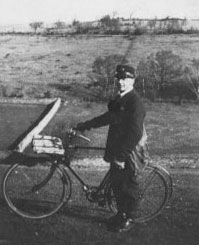
POSTAL DELIVERIESThe earliest proposal, in 1820, had been to include Bentham in the route of the post from Settle to Kirkby Lonsdale, and in 1821 a postal allowance was granted for a six-day-a-week postal delivery to Hornby and Bentham.1 In 1832 a daily postal delivery was proposed from Lancaster for the accommodation of Hornby and Bentham, and the villages in the neighbourhood, with an allowance for Frederick Horstead, foot messenger.1 John Thomas Poole was appointed postman for Bentham to Lowgill in May 1888, and James Humphrey in 1898.1 In 1932, a request was made that a letter box be installed in the door of Low Tatham school, as the delivery (between 8.15 and 9.10am) was often made before anyone was present to accept it.2 By 1938 the post for Lower Tatham came by bicycle from Wennington.
The post for Tatham Fells came from Bentham, also by bicycle – but the postman had to walk if it was too snowy to cycle, and in those circumstances wouldn't reach Lowgill until midday, with Whitray still to be done. At that time postmen were allowed to walk up to 18 miles a day, carrying a maximum weight of 35 pounds.4 (No allowance was made for the type of terrain!) The postman brought fresh yeast to sell, but this was probably not part of his official duty.3 In the late 1930s, Ingleton post office had a Cleveland Bay horse to pull its four-wheeled parcel delivery dray.5
|
|||||||||||||||||||||||||||||||||||||||||||||||||||||||||||||||||||||||||||||||||||||||||||||||||||||||||||||||||||||||||||||||||||||||||||||||||||||||||||||||||||||||||||||||||||||||||||||||||||||||||||||||||||||||||||||
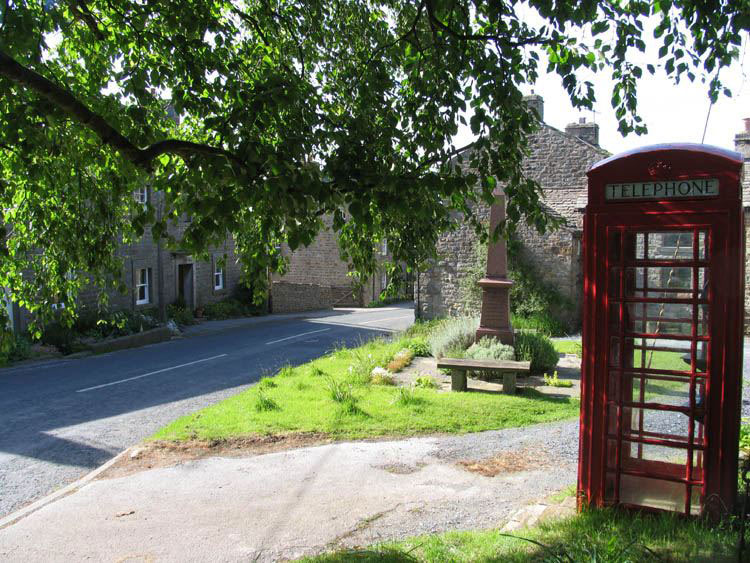
THE TELEPHONE BOXIn 1936, to commemorate the Silver Jubilee of the coronation of King George V, a telephone box was to be provided in every village with a post office, regardless of cost. This is how Lowgill came to have its phone box – the only one in the parish. The telephone kiosk was installed in 1937, opposite the post office at Glen Cottage.
In March 1938, the Parish Council sent a letter to the Postmaster General asking for a letter box to be erected in Lowgill, and for the telephone box to be moved from Glen Cottage to the village, complaining that “the present box is in a very inconvenient place for the villagers and the hill farmers”. The request was turned down.6 By 19th May 1943 the telephone kiosk for Lowgill was still at Glen Cottage. Mrs. MacIntyre, teacher at Tatham Fells school, records that the Cinema Van visited Tatham Fells and parked in front of the garages (next to Glen Cottage) near the telephone kiosk, where the children went to see the show.7 The Parish Council continued writing to the Postmaster General until, in March 1944, their request was finally granted, and the letter box & telephone kiosk were moved to the village.6
During 1947 and 1948 the Parish Council had to complain on several occasions that it was out of order.5
|
|||||||||||||||||||||||||||||||||||||||||||||||||||||||||||||||||||||||||||||||||||||||||||||||||||||||||||||||||||||||||||||||||||||||||||||||||||||||||||||||||||||||||||||||||||||||||||||||||||||||||||||||||||||||||||||
PRIVATE TELEPHONES Tatham Fells School included 'The Telephone' in its Object Lessons in 1907,7 but it was another fourteen years before the first Bentham & Hornby numbers appeared in the Lancaster area phone book. The first directory to show telephone numbers in Tatham parish was dated 1936, although Mr. McIntyre, a resident of Wray, and husband of the Assistant Teacher at Tatham Fells School, was listed in 1927: The 1922 telephone directory was the first to list Bentham as an exchange.8 The telephone exchange was on the same site as the post office, and was manned by an operator day and night.9
By 1936 many businesses had phones, but they were still rare in private dwellings. The 1936 directory was the first to include a telephone number for a Tatham address:8
1937 is notable nationally as the year in which the 999 emergency telephone number was introduced, and locally because the Lancaster area directory for that year also included the first Tatham Fells number:8
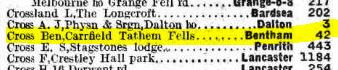
In May 1937, cable was being laid in Bentham to allow the introduction of direct dialling. This innovation would necessitate the end of single- and double-digit Bentham numbers.10 In the 1938 directory all Bentham numbers have 3 digits, existing numbers having in most cases had 200 added to them e.g. Foster's grocers, Bentham 7, became Bentham 207.8 In 1938 subscribers paid a rental, plus call charges - a small flat-rate connection charge for each call, plus a charge per minute after connection. However, ordinary residential subscribers enjoyed an allowance of free local calls – fifty one-penny calls a quarter, or their equivalent. Charges were a penny a minute for each call to an exchange within 5 miles, 2d for up to 7½ miles. The cost of a “trunk call” (over 15 miles) varied according to distance, with reduced rates available for afternoon and evening calls. Call Offices were available to the general public on payment only of the ordinary charge for calls and a small charge for the use of the call office. No charge was made for an incoming call. The 1946 directory shows that Ben Cross was still living at Carr Field, and still the only resident of Tatham Fells to have a phone.8
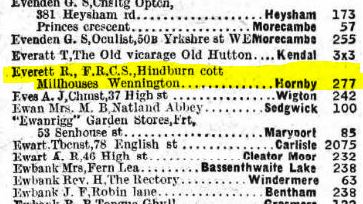
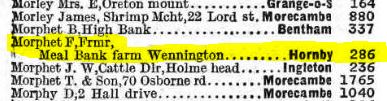
However, two new Low Tatham properties were listed:8
In February 1947, Mrs. McIntyre mentions phoning the Tatham Fells school caretaker, presumably from her home in Wray or from the Lowgill telephone box, as Tatham Fells School had no phone until it moved to its new premises in 1961. There was no new directory for the area in 1948, but directories after that show a steady increase in the numbers of private subscribers in both High and Low Tatham.8
The Head Teacher of (Low) Tatham school mentions going to Tatham Hall to phone the Rector on 30th Jan 1950. The school didn't get its own telephone – Hornby 446 - until 1958.2 The construction work for Haweswater Aqueduct, from 1948 to 1952, and the temporary Hindburn camp and offices built to service the project, provided the impetus for quickly extending the network to Thrushgill from the nearest already-connected point in Lowgill. By the late 1960s, private telephones were no longer a luxury, and Bentham exchange was in danger of running out of 3-digit numbers for new subscribers. 5-digit numbers were introduced for Bentham between the 1971 and 1972 directories, with existing 3-digit numbers having 61000 added to them.8
References
|
|||||||||||||||||||||||||||||||||||||||||||||||||||||||||||||||||||||||||||||||||||||||||||||||||||||||||||||||||||||||||||||||||||||||||||||||||||||||||||||||||||||||||||||||||||||||||||||||||||||||||||||||||||||||||||||
AW 2015 |
|||||||||||||||||||||||||||||||||||||||||||||||||||||||||||||||||||||||||||||||||||||||||||||||||||||||||||||||||||||||||||||||||||||||||||||||||||||||||||||||||||||||||||||||||||||||||||||||||||||||||||||||||||||||||||||